
Traditional Mailboxes
Showing 1–24 of 107 results
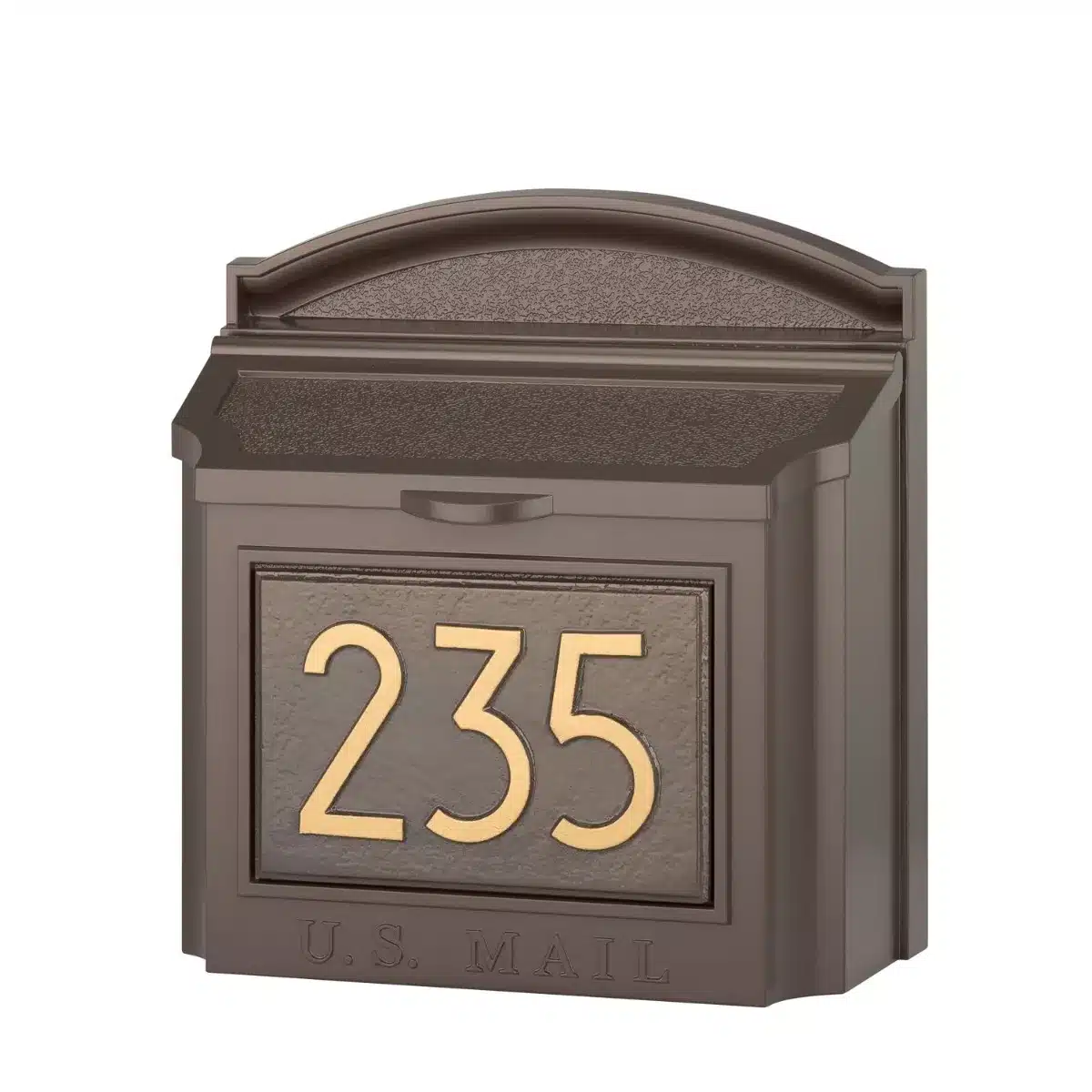
WhitehallWhitehall Modern Locking Wall Mailbox with Personalized Address Plaque – Extra Large Capacity
6 Available Colors

WhitehallWhitehall Wall Mount Mailbox with Removable Locking Insert
3 Available Colors

WhitehallWhitehall Colonial Wall Mount Mailbox Package 1 (Mailbox, Plaque & Monogram)
6 Available Colors

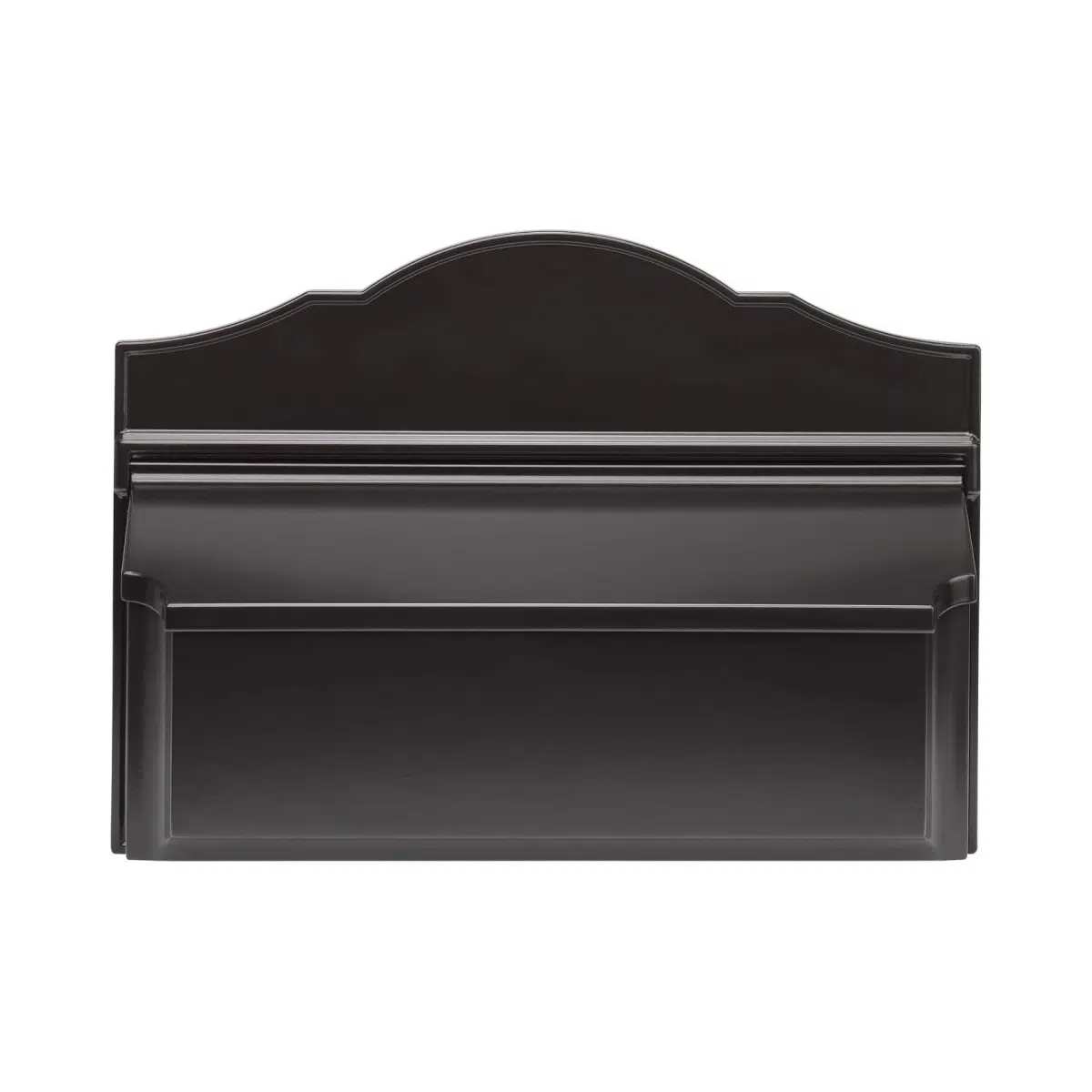
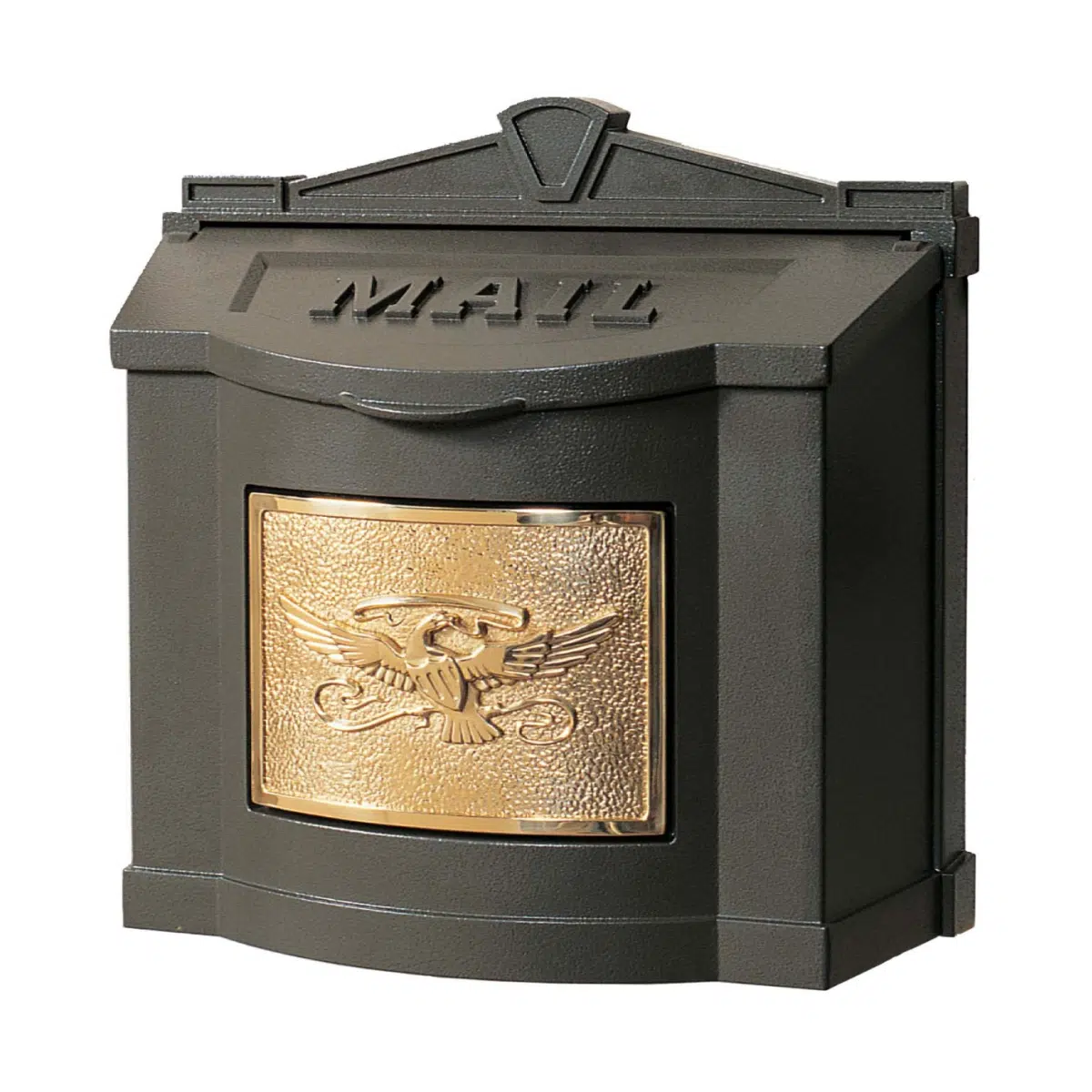
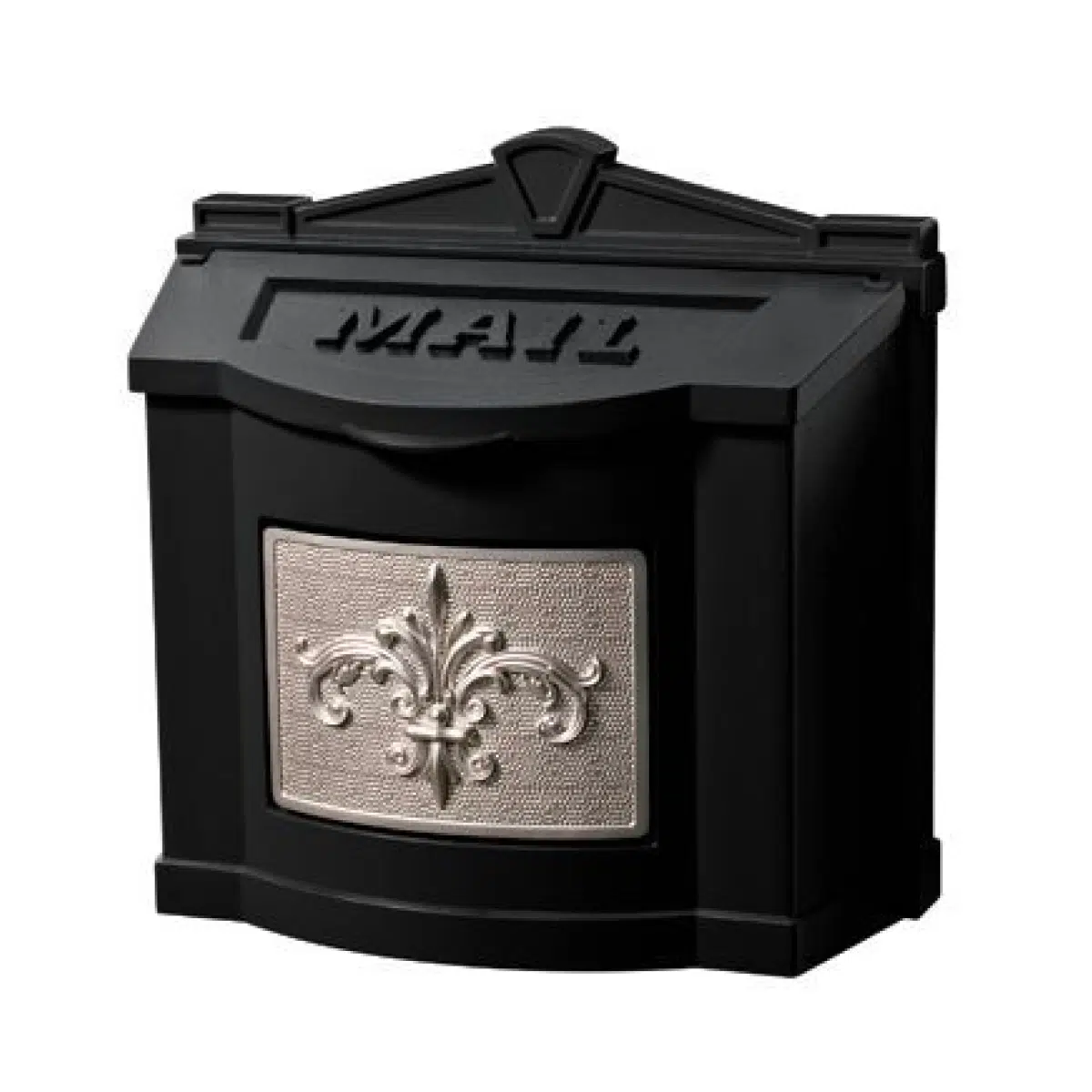


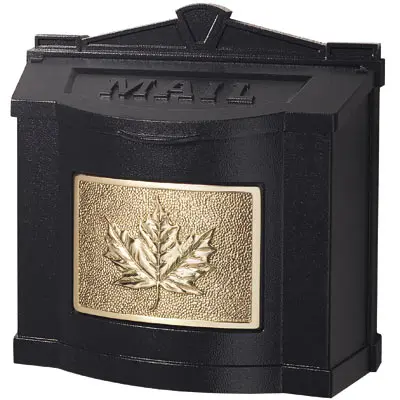

GainesClassic Faceplate Locking Wall Mount Mailbox
12 Available Colors
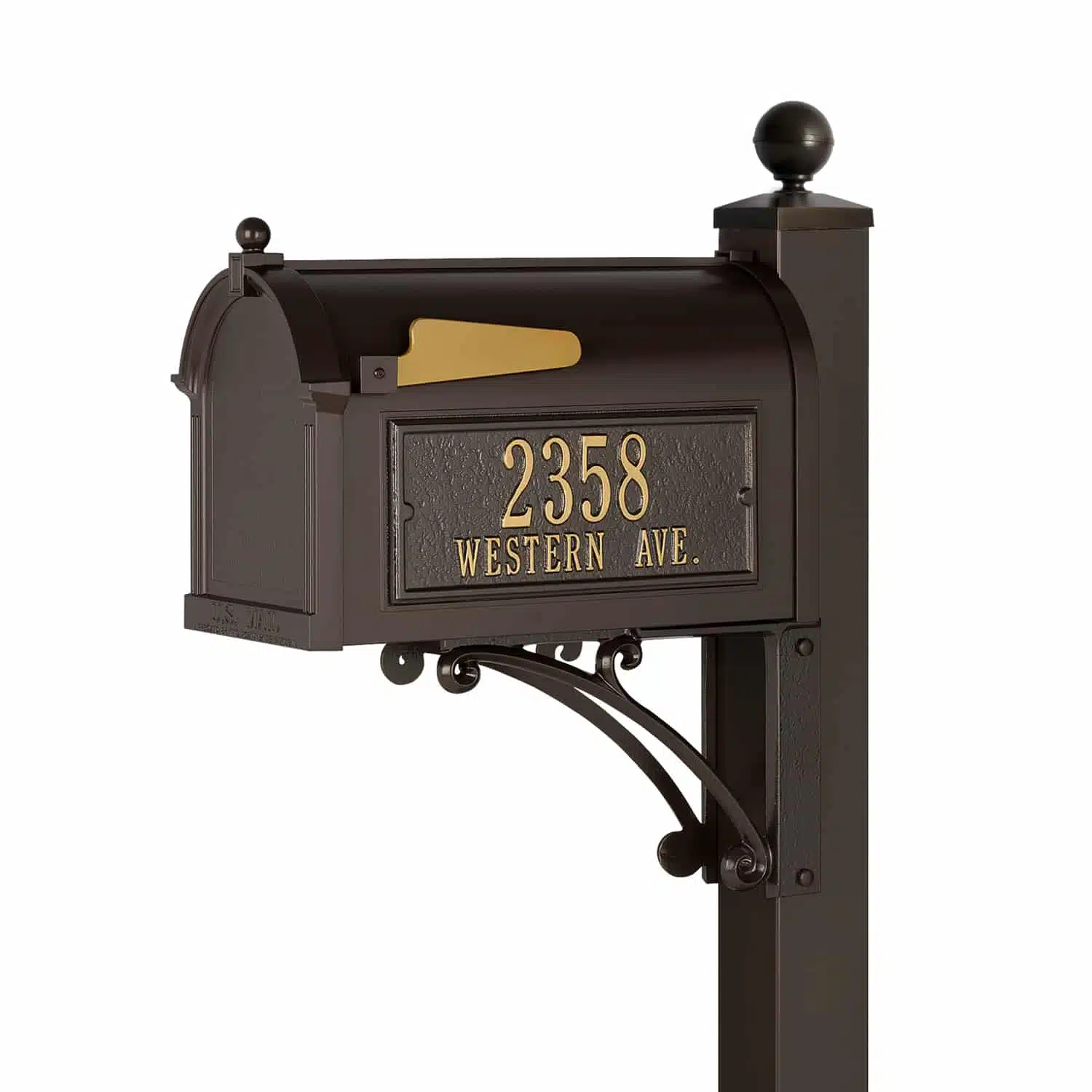
WhitehallWhitehall Custom Capitol Mailbox and Post Package (Optional Post & Accessories)
5 Available Colors
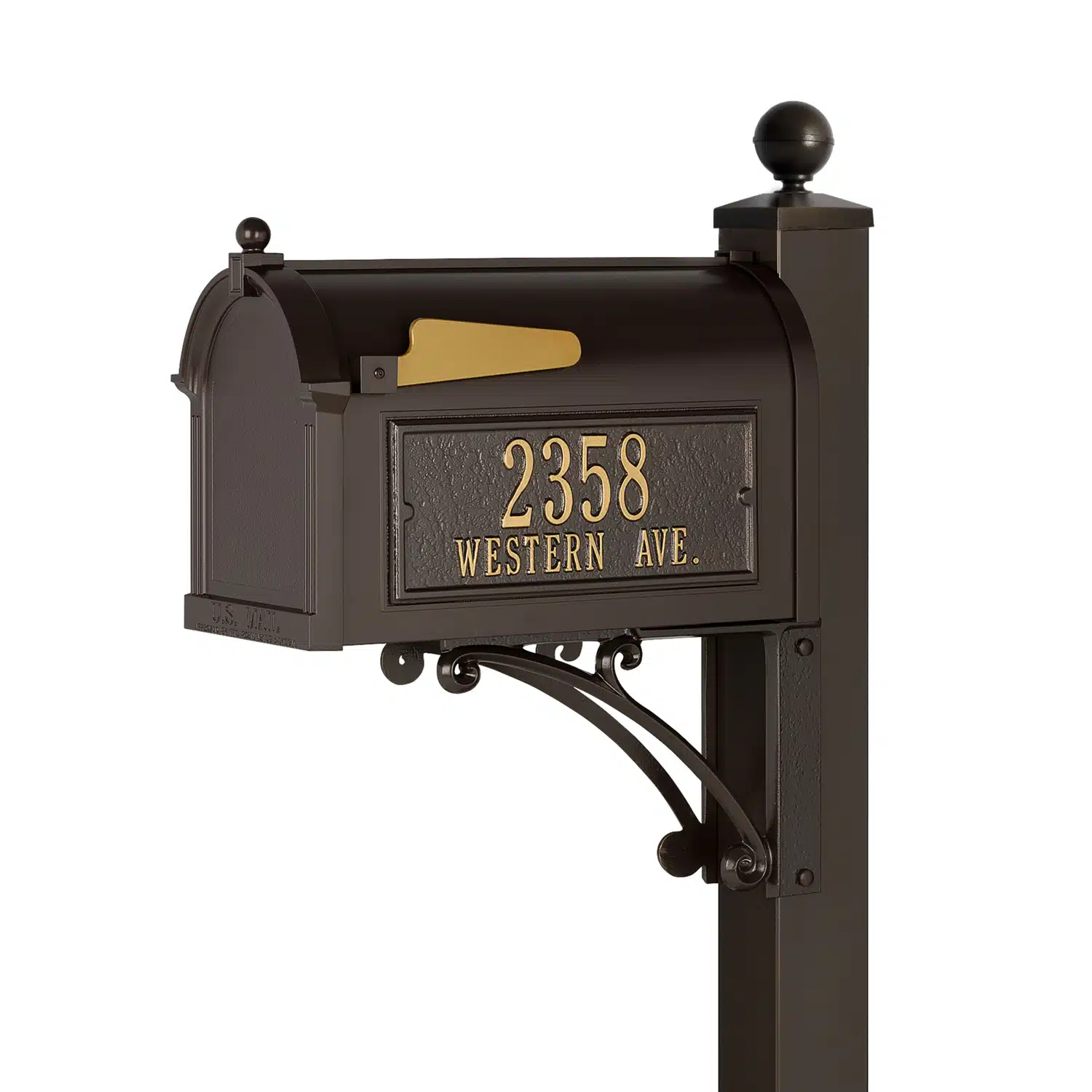
WhitehallWhitehall Deluxe Capitol Mailbox Package
8 Available Colors

WhitehallWhitehall Modern Deluxe Capitol Mailbox Post Package
6 Available Colors
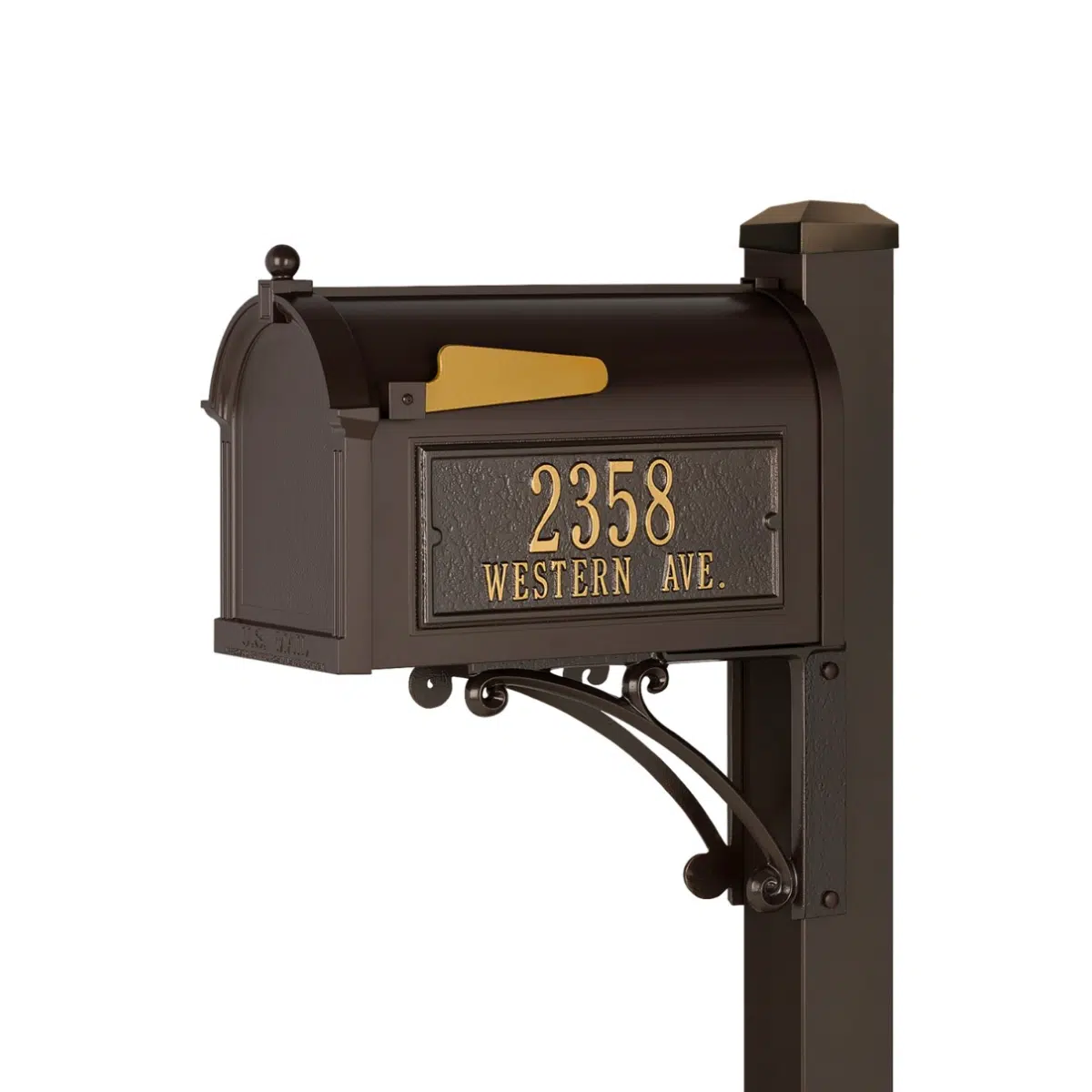
WhitehallWhitehall Superior Capitol Mailbox Package
7 Available Colors

WhitehallWhitehall Premium Capitol Mailbox Package
7 Available Colors
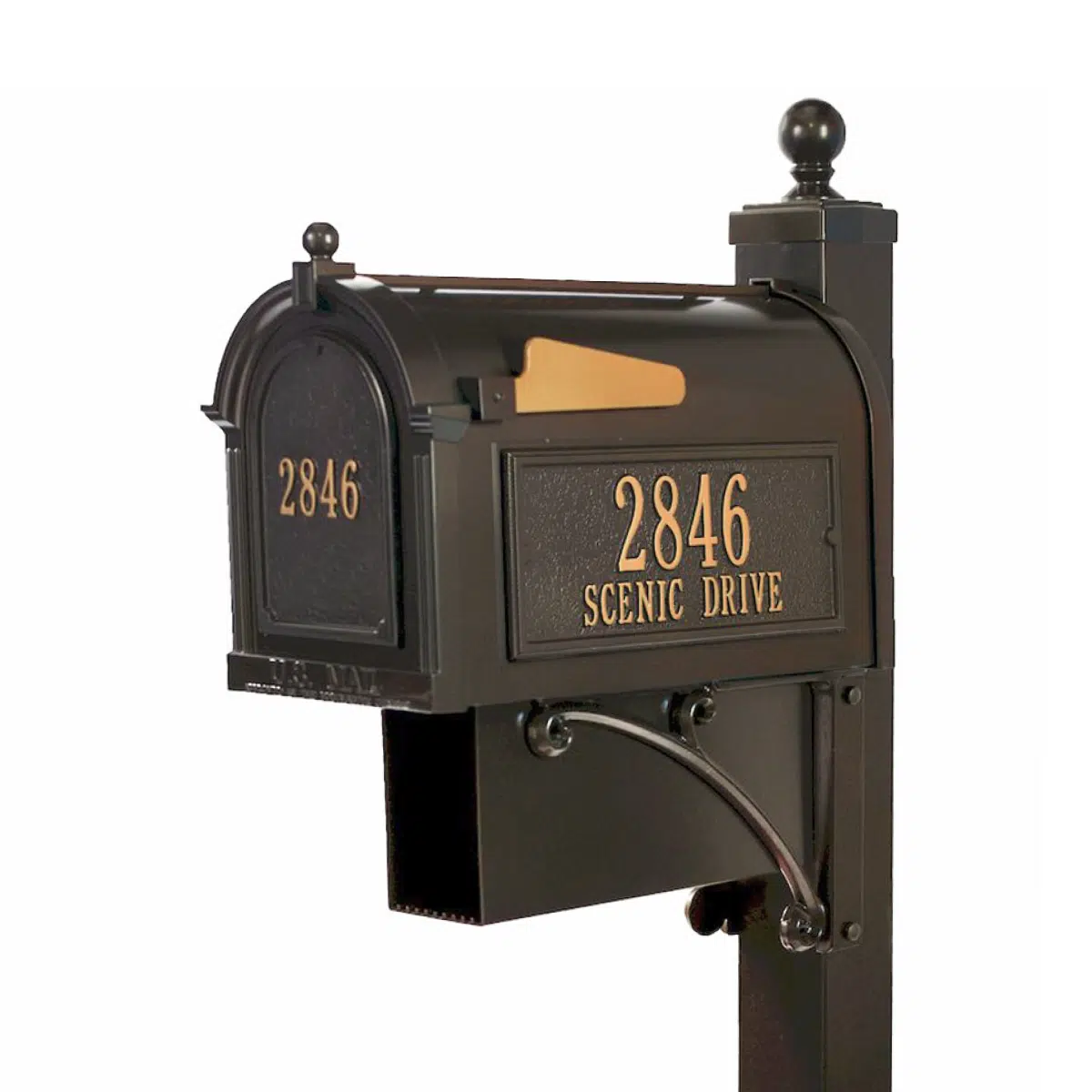
WhitehallWhitehall Estate Capitol Mailbox Package
5 Available Colors
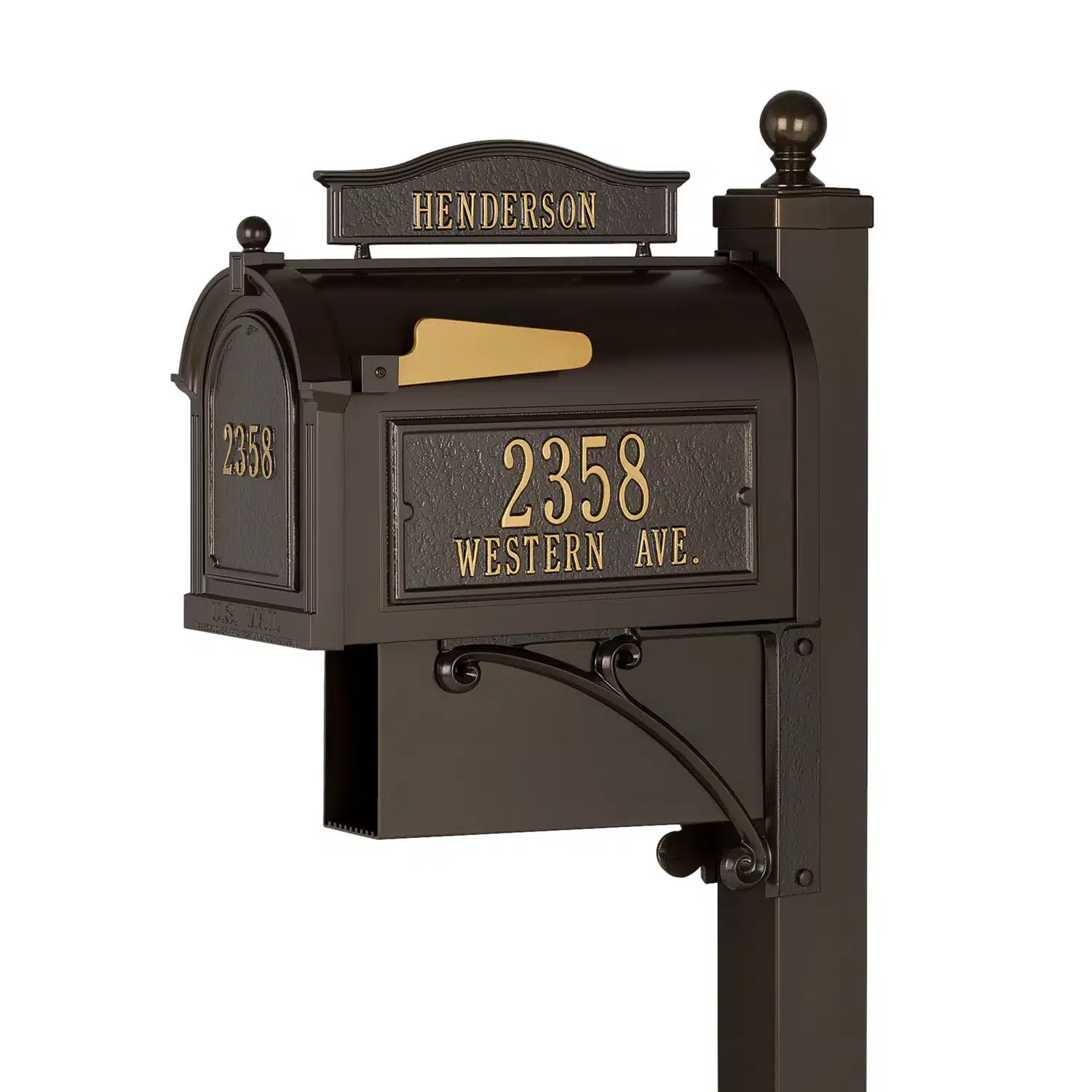
WhitehallWhitehall Ultimate Capitol Mailbox Package
7 Available Colors
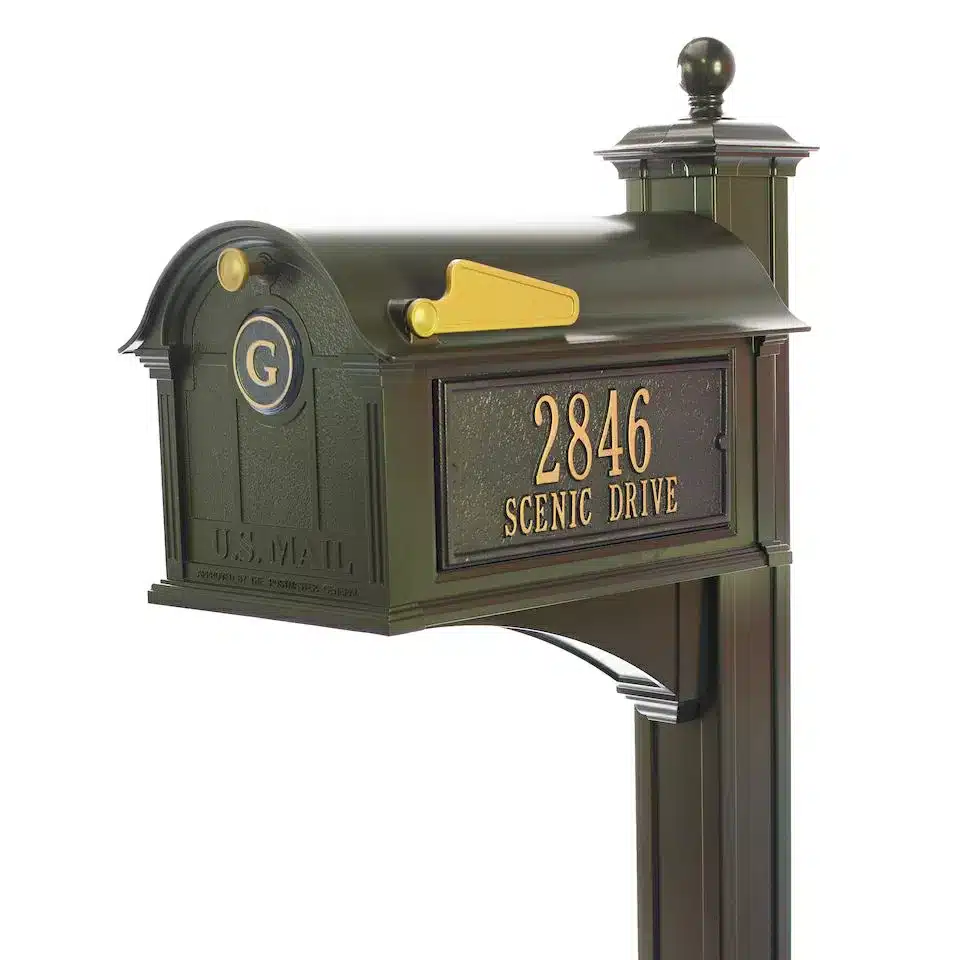
WhitehallWhitehall Balmoral Monogram Mailbox Package
3 Available Colors

WhitehallWhitehall Balmoral Monogrammed Mailbox Deluxe Package with Plant Hook Included
3 Available Colors
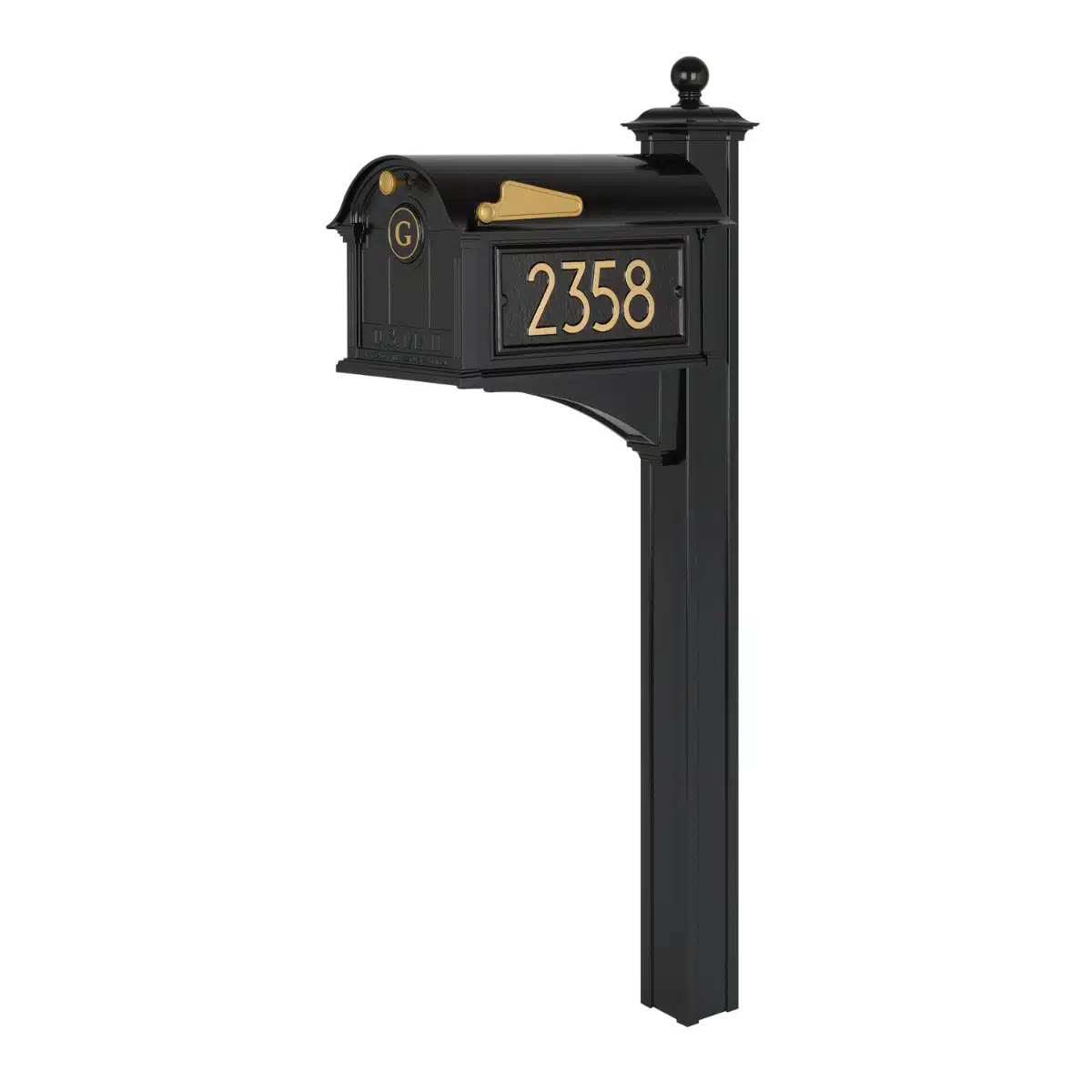
WhitehallWhitehall Modern Balmoral Monogram Mailbox Package
3 Available Colors

WhitehallWhitehall Streetside Decorative Mailbox with Optional Accessories – Premium Curbside Mailbox for Residential Use
5 Available Colors

WhitehallWhitehall Modern Streetside Mailbox (Optional Accessories)
5 Available Colors
Traditional Mailboxes
Traditional mailboxes are still the most widely used mailboxes for homes because of their reliability and functionality. In a typical neighborhood setup, these types of mailboxes serve common mailing needs without complicating things with unnecessary functions or steps. Over time, homeowners and property managers have come to rely on these designs because they are familiar, practical, and easy to work with.
They suit a wide range of home styles and, when paired with the right material and installation type, can perform reliably for many years. Regardless of whether it’s replacing the mailbox at an existing residence or installing one in a new home, knowing the ins and outs of mailboxes and their installation or replacement can often be the deciding factor in prolonging their life and preventing future replacements.
What Defines a Traditional Mailbox
Traditional mailboxes have been built around standard residential use and compatibility with the United States Postal Service (USPS).
Here is what usually characterises a conventional mailbox:
- A body that is curved or rectangular, containing a front-opening door
- An optional signal flag for outgoing mail
- Compatible with either post-mounted or wall-mounted installation * Standard finishes for exterior exposure performance
- Dimensions that meet USPS residential delivery requirements
These designs are commonly used in single-family homes, HOA communities, and residential developments where consistency and long-term reliability are important.
Materials and Real-World Performance
Mailbox material plays a major role in durability, maintenance needs, and long-term value. In practice, climate and exposure tend to matter more than appearance alone.
Aluminum
Aluminum mailboxes are often chosen for their corrosion resistance.
- Performs well in coastal areas and places with high humidity, where rust is a concern
- Lightweight by comparison, which makes installation easier for many homeowners
- Does not rust, though it’s normal for finishes to fade gradually over time
- Typical service life is often 15-20 years in moderate climates.
Steel
Steel mailboxes are chosen for their added weight and rigidity.
- Requires powder coating or similar finishes if rust is a concern, especially over time
- In wet climates, corrosion can develop when protective coatings wear down or are damaged.
- With proper care, service life often reaches the 20 – 25-year range.
Cast Aluminum
Cast aluminum mailboxes combine decorative detail with durability.
- Heavier than standard aluminum, providing added stability
- Does not rust and holds detailing well over time.
- Often chosen for visible or design-focused installations.
- Higher upfront cost, with a longer expected lifespan in many climates
Region Based Material Guidance
Matching mailbox material to the environment helps extend its usable life.
Coastal or high-salt air |
Aluminum, cast aluminum |
Resistant to rust and salt exposure |
Hot, high-UV regions |
Powder-coated finishes |
Reduces fading and surface breakdown |
Snow and ice regions |
Steel, cast aluminum |
Added weight and resistance to impact |
Moderate climates |
Any material |
Selection based on style and budget |
Locking vs Non-Locking Mailboxes
Security needs vary depending on how mail is delivered and how often it is collected.
When Locking Mailboxes Are Helpful
Locking mailboxes are commonly used when:
- Mail includes sensitive documents.
- Mail is not collected daily.
- Mail theft has occurred locally.
- Small packages are occasionally delivered.
Locking mechanisms can help reduce how often the door is opened, thereby reducing wear over time. If keys are lost, replacing the lock or ordering new keys is usually required, depending on the manufacturer.
When Non-Locking Mailboxes Are Sufficient
Non-locking styles often work well when:
- Mail volume is low
- Mail is collected daily.
- The mailbox is visible from the home.
- Theft risk is minimal.
Both locking and non-locking options are available within traditional mailbox designs.
Package Delivery and Installation Considerations
Traditional mailboxes hold letters and small parcels that USPS delivers. Know your mailbox’s limits and the installation rules to set realistic expectations.
Package delivery limits
- Most traditional mailboxes aren’t designed to regularly receive packages.
- Larger packages are typically left outside the mailbox
- Locking mailboxes secure mail but do not prevent theft of oversized parcels
- Frequent package delivery may require a separate parcel box or alternative solution
Post-mounted installation
- Most common curbside installation type
- USPS recommends a mounting height of 41 to 45 inches from ground to mailbox bottom
Mailbox should be positioned about 6 to 8 inches back from the curb - Plan 2–3 hours to install a new post.
Budget $30–$150 for a post. - Shallow installation or unstable soil can cause leaning over time
Wall-mounted installation
- Commonly used on porches or homes with limited yard space
- Installation typically takes 30 to 60 minutes
- Secure attachment into studs or masonry is required
- Hollow wall anchors alone are usually insufficient
- Placement must allow proper USPS carrier access
USPS Dimensional Requirements
USPS residential mailbox guidelines include minimum interior dimensions.
Key requirements include:
- A minimum interior depth of 15 inches
- A minimum interior height of 6.5 inches
- Proper mounting height and curb placement
Most traditional residential mailboxes meet these standards, but confirming the dimensions can help avoid delivery issues.
Brand Selection Based on Common Needs
MailboxWorks offers traditional mailboxes from established manufacturers. Each brand tends to suit a different set of priorities.
Whitehall Products |
Decorative cast aluminum designs, with an emphasis on detailed finishes. |
Gaines Manufacturing |
Often picked for consistent quality and no-frills traditional designs. |
Special Lite Products |
Heavier construction, which makes them a good fit for exposed or high-wind locations. |
Architectural Mailboxes |
A balanced mix of options, with a wide range of finishes and slightly updated traditional forms. |
Imperial Mailbox Systems |
Budget-friendly traditional options for moderate climates or secondary properties. |